
Faith in Action: Why Obedience is the Pulse of True Belief
- Published on
4 min read
In modern evangelical circles, there is a dangerous tendency to reduce “faith” to mere intellectual assent—a mental nod to a set of facts about Jesus. We treat salvation like a fire insurance policy: we sign the document of belief, file it away, and continue living as we please. However, when we submit this view to the rigorous scrutiny of Scripture, it crumbles.
The Bible never creates a dichotomy where one can have saving belief without active obedience. As the Puritan divines and the Westminster Confession rightly articulated, while we are justified by faith alone, that faith is never alone. It is always accompanied by the vital signs of a transformed life.
The Greek Definition: Pistis as Allegiance
To understand why obedience matters as much as belief, we must examine the language of the New Testament. The primary Greek word translated as “faith” in our English Bibles (ESV, LSB, and KJV) is pistis (πίστις), and the verb “to believe” is pisteuō (πιστεύω).
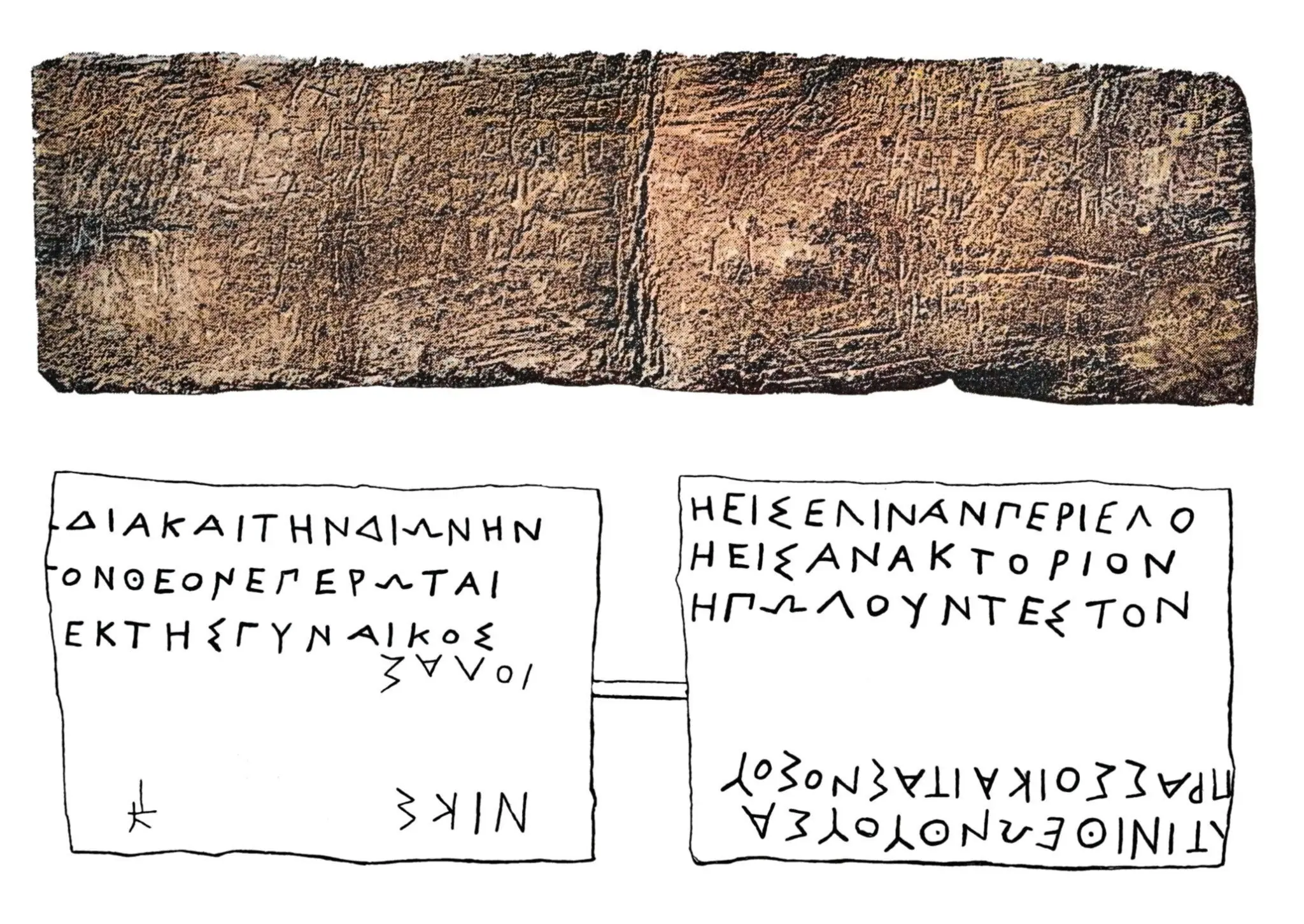
Strict exegetical analysis reveals that pistis implies far more than accepting a statement as true. In the first-century context, this word carried the weight of fidelity, trust, and allegiance.
When Jesus calls us to “believe,” He is not asking for a casual opinion; He is demanding a transfer of loyalty. Mounce’s morphological analysis suggests that true biblical faith involves a personal reliance upon Christ that necessarily leads to action. It is a surrender of the will. If I say I believe a parachute will save me, but I refuse to jump, my “belief” is a delusion. In the same way, a belief in Christ that refuses to obey Christ is, biblically speaking, non-existent.
The “Obedience of Faith”
The Apostle Paul opens and closes his magnum opus, the Epistle to the Romans, with a phrase that defines his entire ministry: “the obedience of faith” (Romans 1:5; 16:26, ESV/LSB).
The King James Version renders Romans 1:5 as “obedience to the faith,” which is helpful, but the ESV/LSB rendering “obedience of faith” captures the grammatical nuance of the genitive case. It implies that obedience flows out of faith. True faith produces obedience as naturally as a sun produces light.
You cannot have the root (faith) without the fruit (obedience). As Charles Spurgeon, the Prince of Preachers, famously thundered from the pulpit:
Faith and obedience are bound up in the same bundle. He that obeys God, trusts God; and he that trusts God, obeys God.
If our “faith” allows us to remain comfortable in our sin, it is not the faith of the Apostles. It is the faith of demons, who, as James 2:19 warns, “believe—and shudder.” They have the intellectual facts, but they lack the submissive allegiance.
Jesus: The Object and Example of Our Faith
Why does obedience matter? Because our faith is centered on a Lord who was defined by His obedience. We must be Christ-centered in our theology. Jesus did not merely believe in the Father’s plan; He “humbled himself by becoming obedient to the point of death, even death on a cross” (Philippians 2:8, ESV).
Matthew Henry, in his commentary, reminds us that “Gospel obedience is a necessary fruit of saving faith.” We do not obey to be saved; we obey because we are saved. Our obedience is the visible rhetoric of our invisible faith. It is our “Amen” to the Lordship of Christ.
Final Thoughts
Let us strip away the cheap veneer of modern “easy-believism.” The Greek concept of pistis is a call to allegiance. It is a robust, actionable trust that says to Jesus, “Because You are Truth, I will walk in Your truth.”
If you profess to know Him, look at your life. Does your walk match your talk? Belief provides the direction, but obedience takes the steps. They are the two feet of the Christian walk; without both, we are spiritually crippled. Let your faith be a living, breathing allegiance to the King of Kings.
Scripture citations are from the English Standard Version (ESV) unless otherwise noted.
References
Primary Scripture Sources
The Holy Bible: English Standard Version. Wheaton, IL: Crossway Bibles, 2016. The Holy Bible: Legacy Standard Bible. Irvine, CA: Steadfast Bibles, 2021. The Holy Bible: King James Version. Oxford: Oxford University Press, 1769.Theological & Lexical Resources
Beeke, Joel R., ed. The Reformation Heritage KJV Study Bible. Grand Rapids: Reformation Heritage Books, 2014. Grudem, Wayne A. Systematic Theology: An Introduction to Biblical Doctrine. 2nd ed. Grand Rapids: Zondervan, 2020. Henry, Matthew. Commentary on the Whole Bible. Vol. 6 (Acts to Revelation). Grand Rapids: Christian Classics Ethereal Library, 2000. Mounce, William D. Mounce’s Complete Expository Dictionary of Old and New Testament Words. Grand Rapids: Zondervan, 2006. s.v. “πιστεύω (pisteuō).” Spurgeon, Charles H. Spurgeon’s Commentary on the Whole Bible. Grand Rapids: Z-Library, n.d. The Westminster Confession of Faith. Edinburgh: The General Assembly, 1647. Chapter XI, "Of Justification."Thank you for reading, God bless.